
Expert Picks For Retaining Wall Repair Supplies and Tools
Find the essential products recommended by professionals to ensure successful and durable retaining wall restoration.
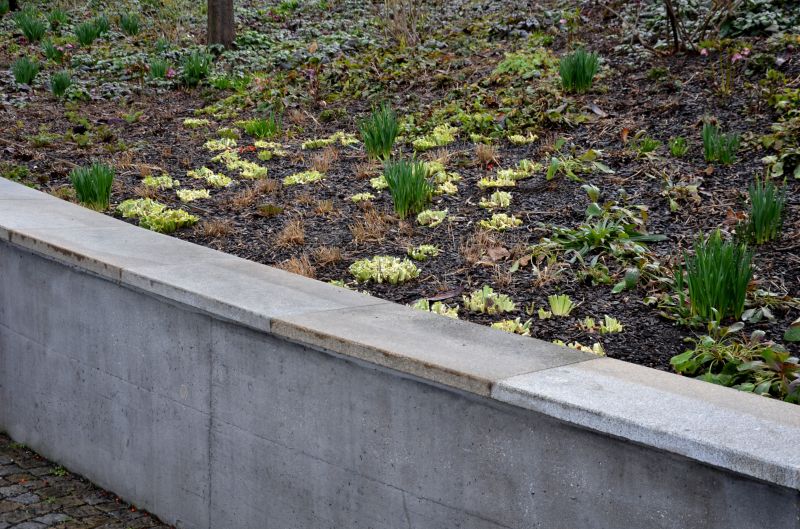 Retaining wall repairs are essential for maintaining the stability and aesthetic appeal of outdoor spaces that feature retaining structures. When a retaining wall begins to show signs of wear, such as cracking, leaning, or shifting, selecting the appropriate repair products becomes crucial to ensure safety and longevity. Repair solutions can range from simple patching compounds to more advanced reinforcement systems, each designed to address specific issues and wall types.
Top Overall Option
Concrete Repair Mortar
Concrete repair mortar is a versatile and durable material suitable for filling cracks, rebuilding damaged sections, and restoring the structural integrity of concrete retaining walls. It adheres well to existing concrete surfaces and can be shaped to match the wall's original form. When properly applied, it provides a long-lasting solution that helps prevent further deterioration and maintains the wall's stability.
Types of Products For Retaining Wall Repairs
Concrete Repair Mortar
A versatile material for patching and rebuilding concrete sections of retaining walls.
Polyurethane Sealant
Flexible sealant ideal for sealing cracks and preventing water infiltration.
Hydraulic Cement
Specialized cement that expands as it cures, suitable for stopping active leaks and cracks.
Retaining Wall Anchors
Metal or plastic anchors used to reinforce leaning or unstable walls.
Geogrids and Reinforcement Fabrics
Synthetic materials that provide additional stability and prevent soil movement behind the wall.
Wall Ties and Reinforcing Straps
Metal or composite ties that help hold sections of the wall together securely.
Drainage Modules
Components designed to improve water drainage and reduce hydrostatic pressure.
Epoxy Adhesives
Strong adhesives used to bond broken or cracked sections of retaining walls.
Soil Stabilizers
Chemical solutions that enhance soil cohesion and prevent erosion behind the wall.
Grout Mixes
Specialized grout for filling voids and reinforcing the structure of masonry walls.
Timber Repair Kits
Products designed for fixing and reinforcing timber retaining walls.
Segmental Block Repair Kits
Materials and tools for repairing or replacing individual segments in block walls.
Waterproofing Membranes
Protective layers that prevent water intrusion and damage.
Vibration and Compacting Equipment
Tools used during repair to ensure proper soil compaction and stability.
Surface Patching Compounds
Materials for addressing surface damage and aesthetic restoration.
Popular Choices
Widely used for concrete patching and restoration projects, appreciated for its ease of application.
Commonly selected for sealing cracks and joints due to its flexibility and durability.
Popular for stopping active leaks and filling cracks in retaining walls.
Frequently used to stabilize leaning or bowing walls effectively.
Essential for managing water flow and reducing hydrostatic pressure behind walls.
Chosen for bonding broken sections or reinforcing cracks in masonry.
Popular for improving soil cohesion and preventing erosion behind retaining walls.
Convenient options for repairing or replacing individual block segments.
Commonly used to protect walls from water damage and extend lifespan.
Often employed during repair to ensure soil and material stability.
Understanding the different materials and tools available can help homeowners and professionals make informed decisions. For minor cracks or surface damage, patching compounds and sealants provide an effective way to restore the wall's appearance and prevent further deterioration. For more significant structural concerns, reinforcement options like anchors, geogrids, or wall ties may be necessary to restore stability.
Proper installation and the right product choice are vital for successful repairs. Factors such as the type of retaining wall (concrete, stone, timber, or segmental block), the extent of damage, soil conditions, and load requirements influence which repair products are most suitable. Investing in quality repair materials can extend the lifespan of the retaining wall and reduce the need for frequent repairs.
Whether addressing minor aesthetic issues or major structural repairs, a variety of products are available to meet different needs. Selecting the right tools and materials can help ensure that repairs are durable, effective, and safe, ultimately preserving the function and appearance of retaining walls for years to come.
Key Buying Considerations
- Type of retaining wall material (concrete, stone, timber, segmental blocks) affects suitable repair options.
- Extent and type of damage, including cracks, leaning, or structural failure, guide product choice.
- Water management features, such as drainage systems, are crucial for long-term stability.
- Compatibility of repair materials with existing wall surfaces ensures proper adhesion and durability.
- Ease of application and required tools can influence the selection process, especially for DIY repairs.
- Environmental conditions, including soil type and moisture levels, impact repair effectiveness.
- Longevity and durability of repair products help determine their suitability for long-term fixes.
- Cost considerations should balance quality and budget constraints without compromising safety.
- Availability of repair kits versus individual products depends on project scope and complexity.
- Professional consultation may be necessary for complex or large-scale repairs to ensure safety and compliance.