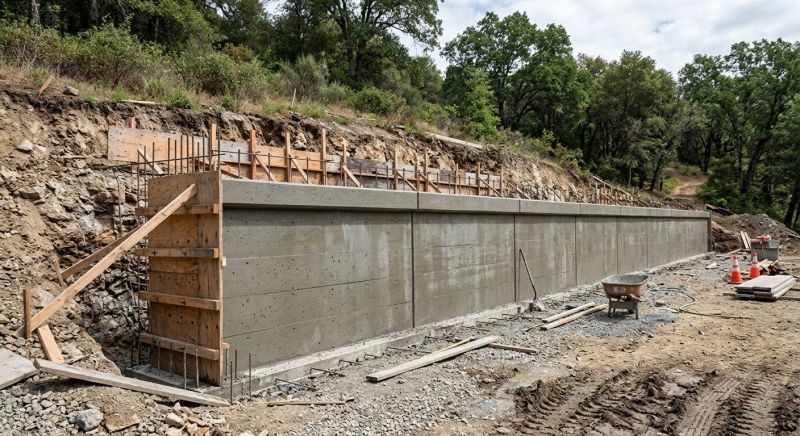
Retention Wall Construction in Clermont, FL
Retention wall construction services involve building sturdy structures designed to hold back soil and manage changes in landscape elevation. These walls are commonly used in projects such as terracing sloped yards, creating level planting areas, or preventing soil erosion around properties. Homeowners typically request retention walls to improve the stability of their landscape, enhance curb appeal, or create functional outdoor spaces. Before requesting this service, property owners should consider factors like the size and slope of the area, the type of soil, drainage requirements, and the desired aesthetic appearance of the wall.
Understanding the different types of retention walls, such as gravity, cantilever, or anchored designs, can help property owners choose the most suitable option for their project. It’s also important to consider the materials used, including concrete, stone, or segmental blocks, and how these choices align with the overall landscape design. Proper planning involves assessing the load the wall will need to support, ensuring adequate drainage, and considering future maintenance needs. Clarifying these aspects beforehand can facilitate a smoother process and help achieve a durable, visually appealing result.
Many property owners in Clermont, FL look into Retention Wall Construction for repairs, replacements, upgrades, and appearance-related improvements.
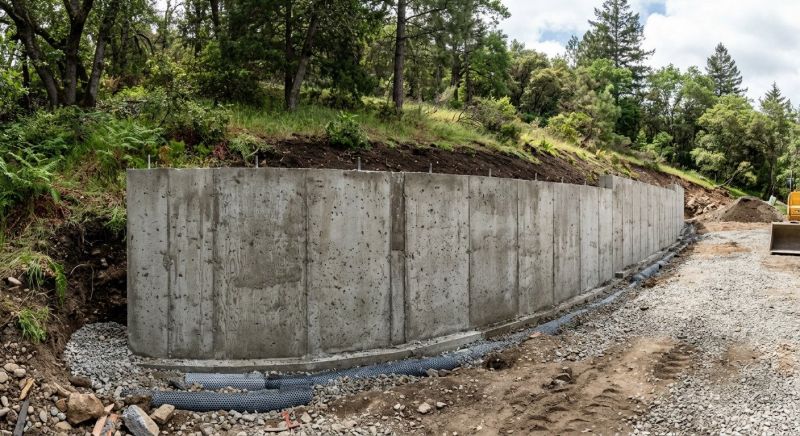
Types Of Retention Walls
Various materials and styles are available to suit different landscape needs.
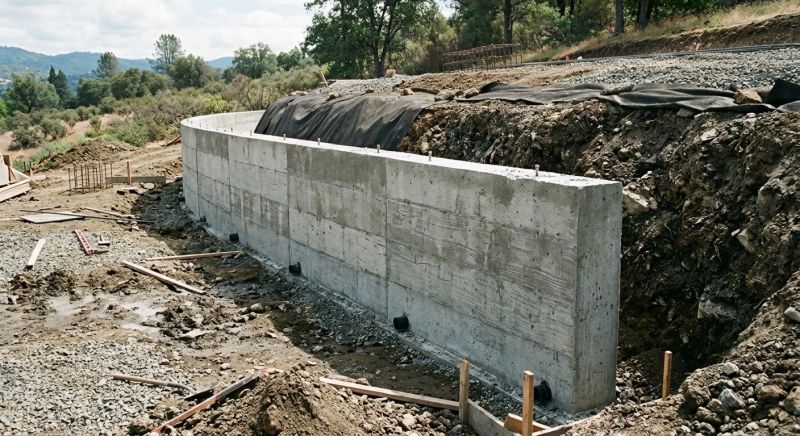
Benefits Of Retention Wall Construction
Properly built walls help prevent erosion and create level outdoor spaces.
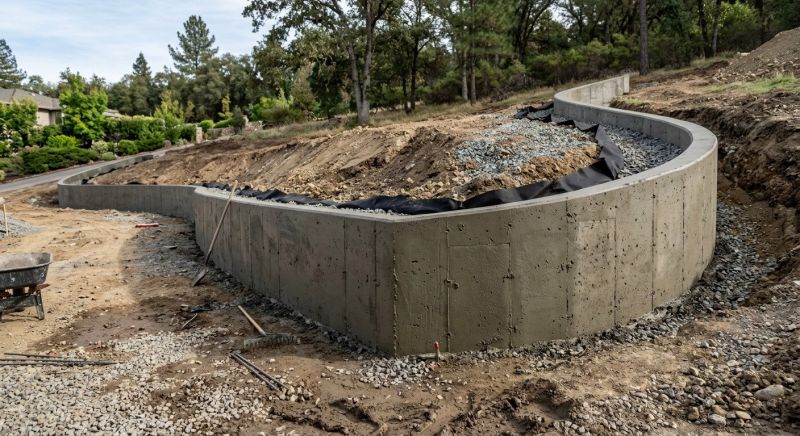
Design Considerations
Selecting the right design enhances both functionality and curb appeal for properties in clermont, fl.
Retention Wall Construction in Clermont, FL
Retention wall construction services involve building sturdy structures designed to hold back soil and manage changes in landscape elevation. These walls are commonly used in projects such as terracing sloped yards, creating level planting areas, or preventing soil erosion around properties. Homeowners typically request retention walls to improve the stability of their landscape, enhance curb appeal, or create functional outdoor spaces. Before requesting this service, property owners should consider factors like the size and slope of the area, the type of soil, drainage requirements, and the desired aesthetic appearance of the wall.
Understanding the different types of retention walls, such as gravity, cantilever, or anchored designs, can help property owners choose the most suitable option for their project. It’s also important to consider the materials used, including concrete, stone, or segmental blocks, and how these choices align with the overall landscape design. Proper planning involves assessing the load the wall will need to support, ensuring adequate drainage, and considering future maintenance needs. Clarifying these aspects beforehand can facilitate a smoother process and help achieve a durable, visually appealing result.
Many property owners in Clermont, FL look into Retention Wall Construction for repairs, replacements, upgrades, and appearance-related improvements.
Common Retention Wall Construction Jobs
Retaining Wall Construction - provides support for sloped or uneven terrain to prevent erosion.
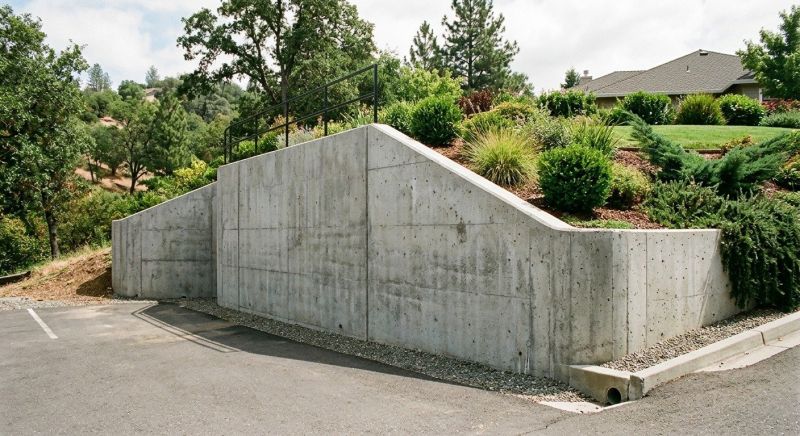
Concrete Retaining Walls - durable structures ideal for controlling soil and creating level areas.
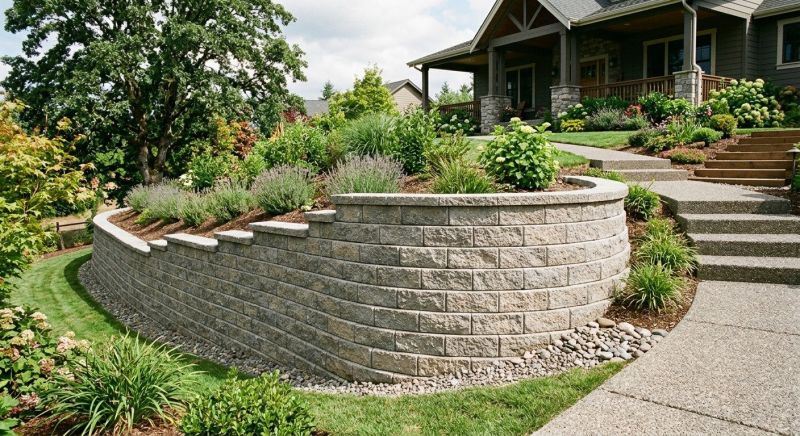
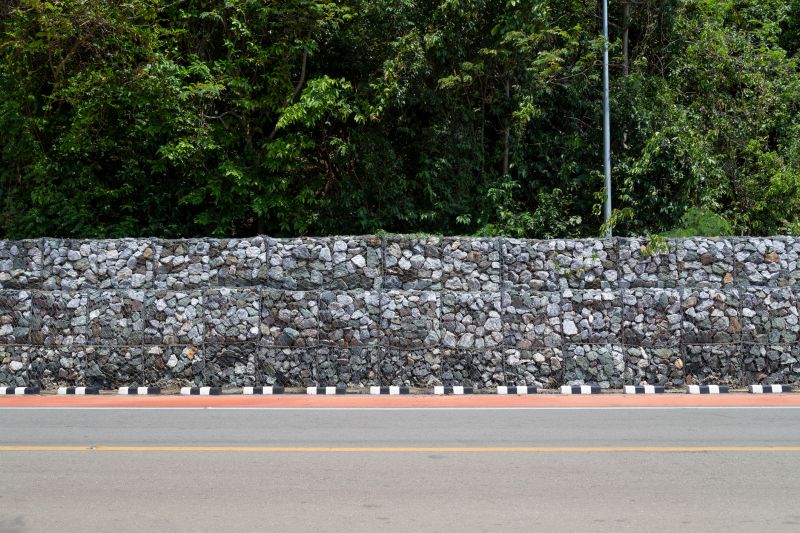
Stone Retaining Walls - natural-looking options that add aesthetic appeal and stability.
Segmental Block Walls - versatile and easy-to-install solutions for various landscape needs.
Timber Retaining Walls - cost-effective options suitable for garden borders and small-scale projects.
Drainage Solutions - integrated systems to manage water flow and reduce pressure on walls.
Retention Wall Construction Questions
What types of retaining walls are commonly built? Common options include concrete, stone, and timber walls, each suited for different aesthetic and structural needs.
What are typical reasons to install a retaining wall? Retaining walls help prevent soil erosion, manage slope stability, and create level areas for landscaping or outdoor living.
What should property owners consider before construction? It is important to assess soil conditions, drainage needs, and the desired landscape design to ensure proper wall selection and placement.
How long does a typical retaining wall last? Properly built retaining walls can last many years, with durability depending on materials used and maintenance practices.
Request Retention Wall Construction in Clermont, FL
Use the quote form on this page to share the basics of your project and request more information for the type of work you need.