Optimal Timing for Retaining Wall Repairs
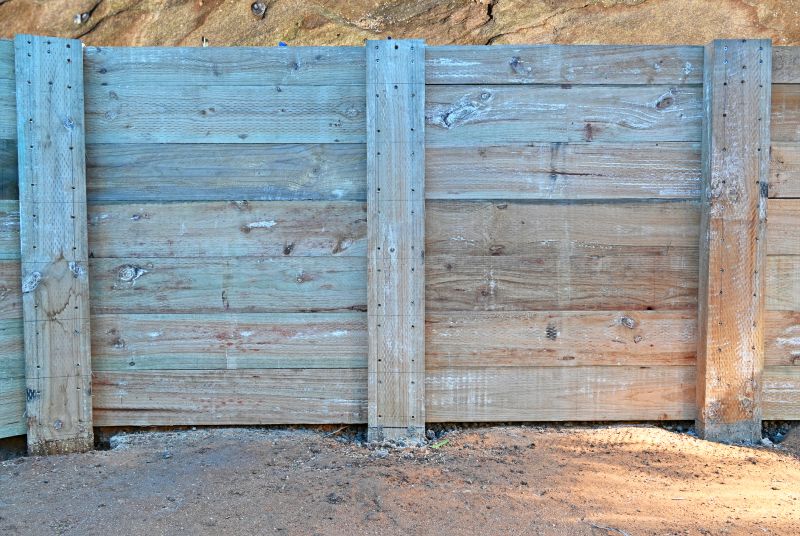
Spring offers moderate temperatures and dry conditions, ideal for repairing and reinforcing retaining walls.
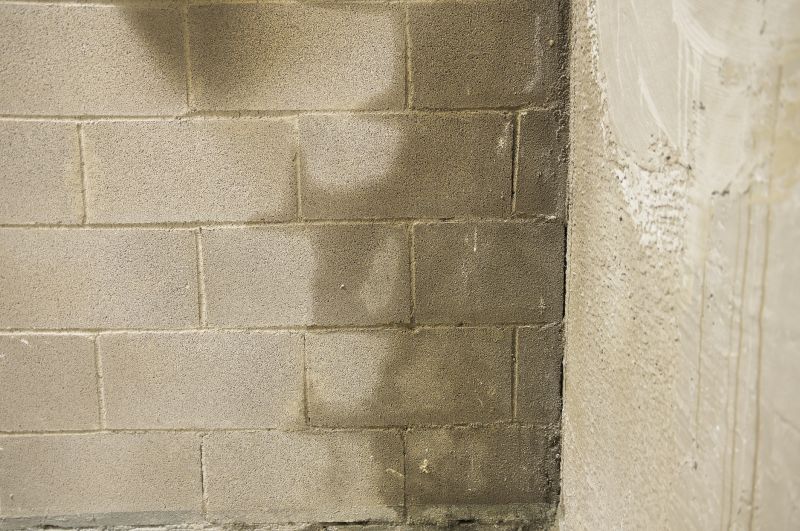
Summer can be suitable if weather conditions are dry, but extreme heat may affect repair materials' curing process.
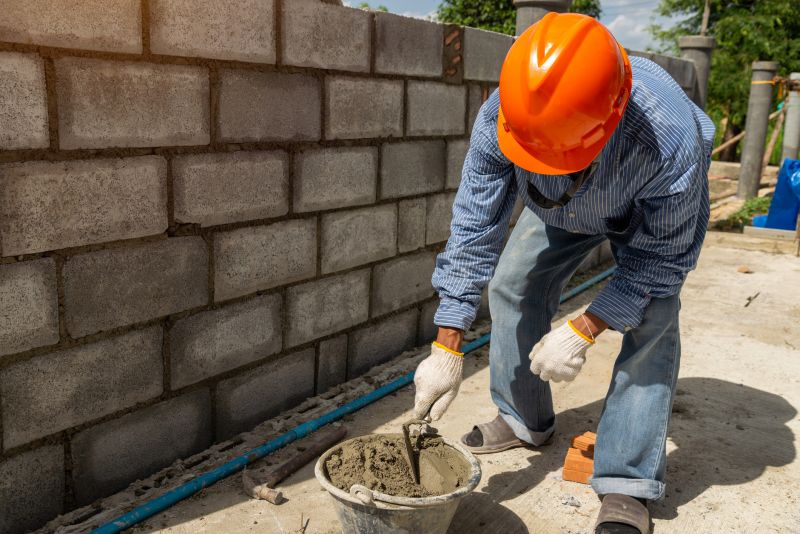
Fall provides cooler temperatures and less rainfall, making it a good time for comprehensive repairs before winter.
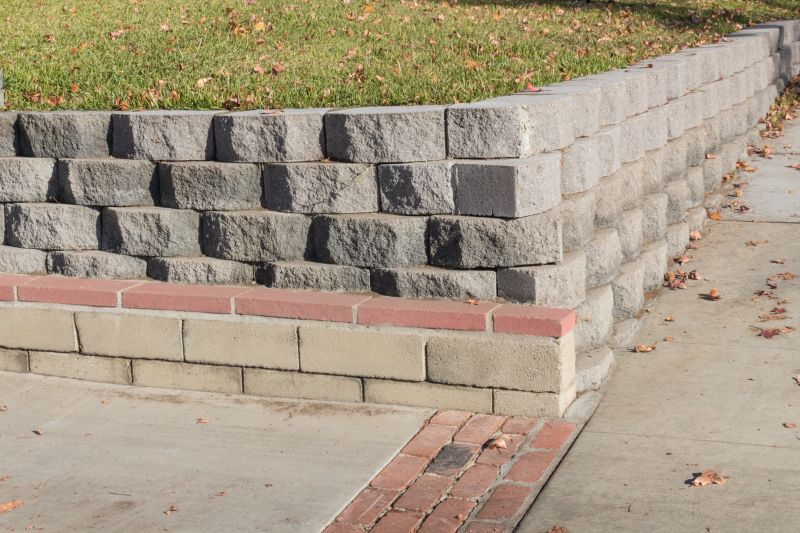
Ways to make Retaining Wall Repairs work in tight or awkward layouts.
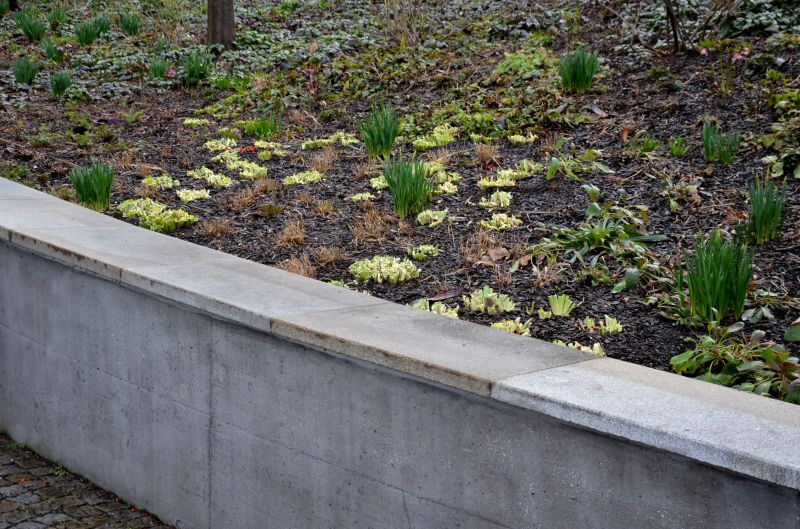
Popular materials for Retaining Wall Repairs and why they hold up over time.
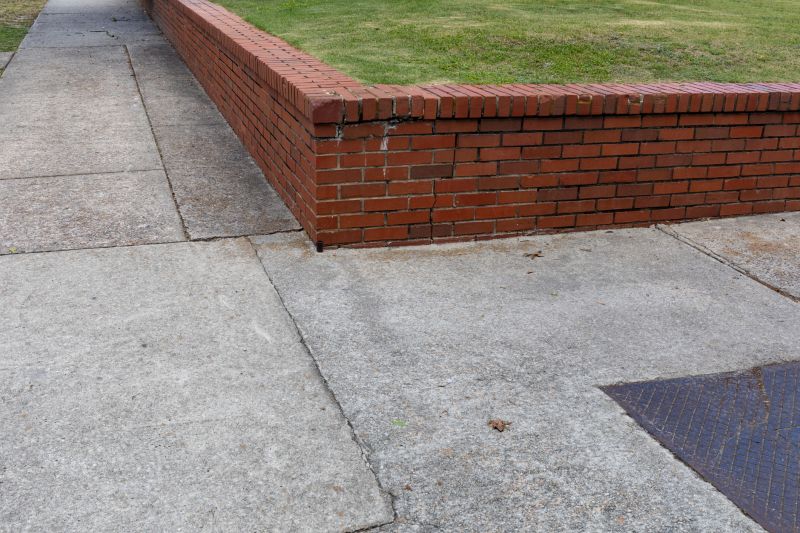
Simple add-ons that improve Retaining Wall Repairs without blowing the budget.
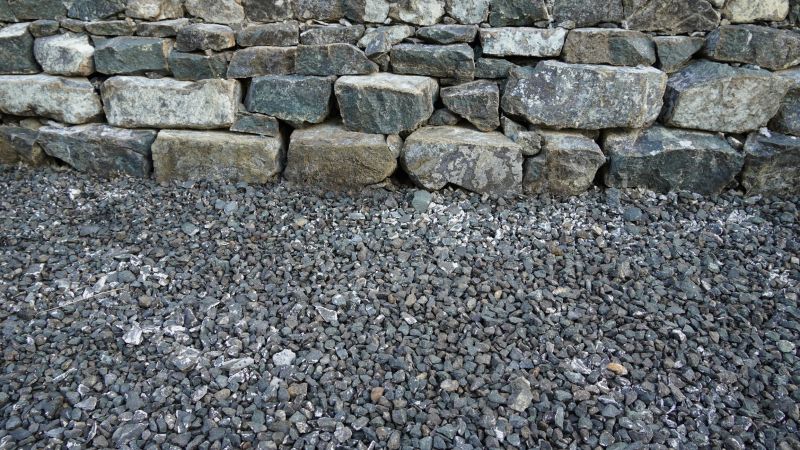
High-end options that actually feel worth it for Retaining Wall Repairs.
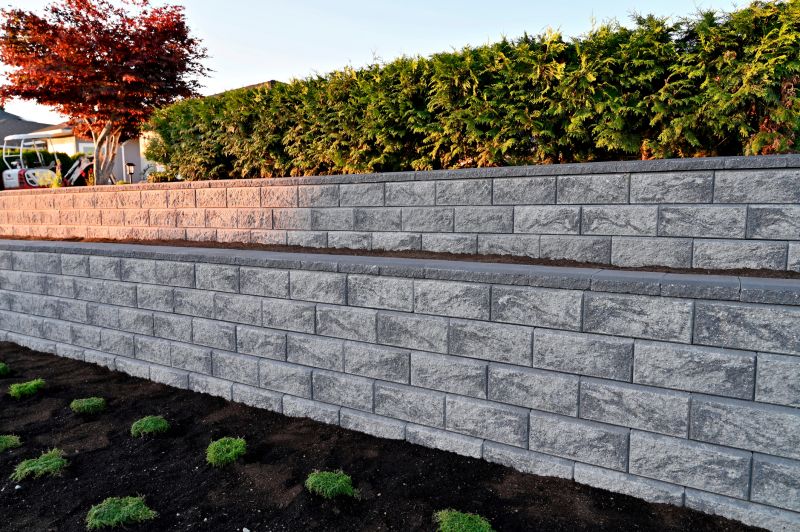
Finishes and colors that play nicely with Retaining Wall Repairs.
Retaining wall repairs are essential for maintaining structural integrity and preventing soil erosion. The timing of repairs can significantly impact their effectiveness and longevity. Weather conditions, soil moisture levels, and seasonal temperature fluctuations influence when repairs should be scheduled. Performing repairs during optimal weather conditions reduces the risk of additional damage and ensures proper curing of materials.
Dry and mild weather minimizes delays and ensures materials set properly.
Drier soil during late spring or early fall provides better stability for repair work.
Temperature and humidity levels affect how quickly and effectively repair materials cure.
Timely repairs during suitable seasons help prevent more extensive and costly damage later.
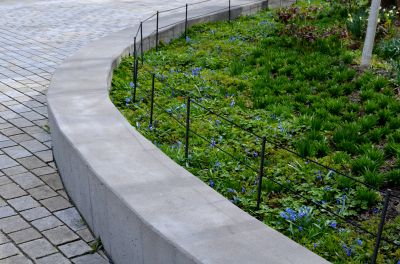
Ideal for moderate temperatures and dry conditions.
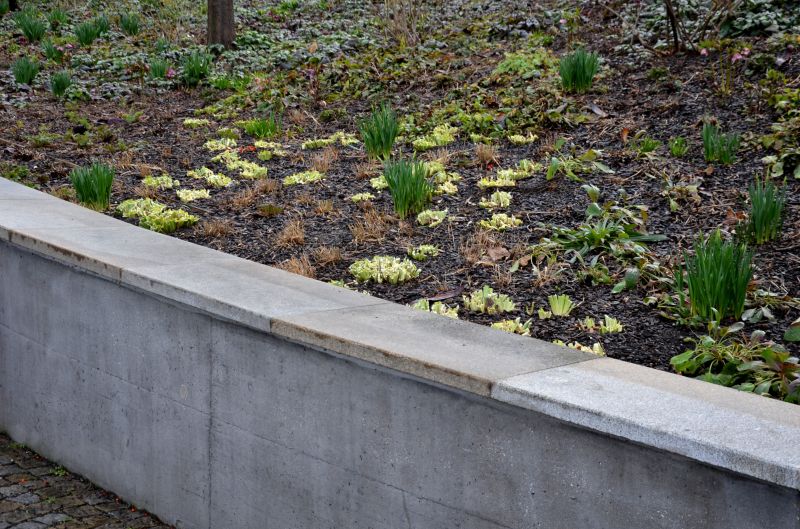
Suitable if weather remains dry and temperatures are manageable.
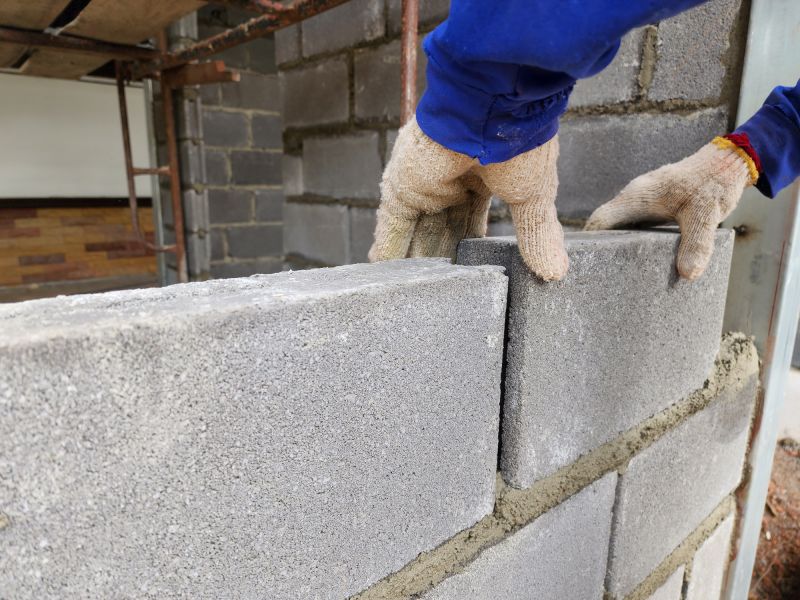
Prepares the wall for winter with cooler, dry conditions.
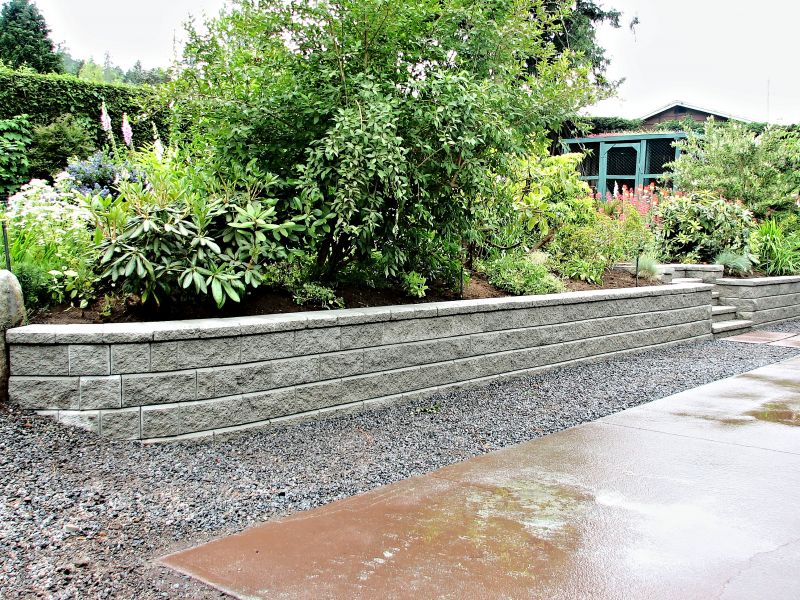
Generally not recommended due to freezing temperatures and increased moisture.
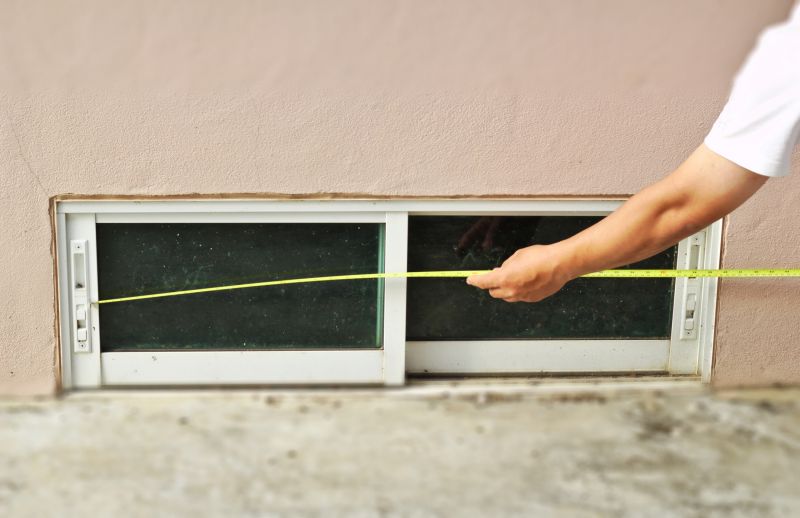
Little measurements that prevent headaches on Retaining Wall Repairs day.
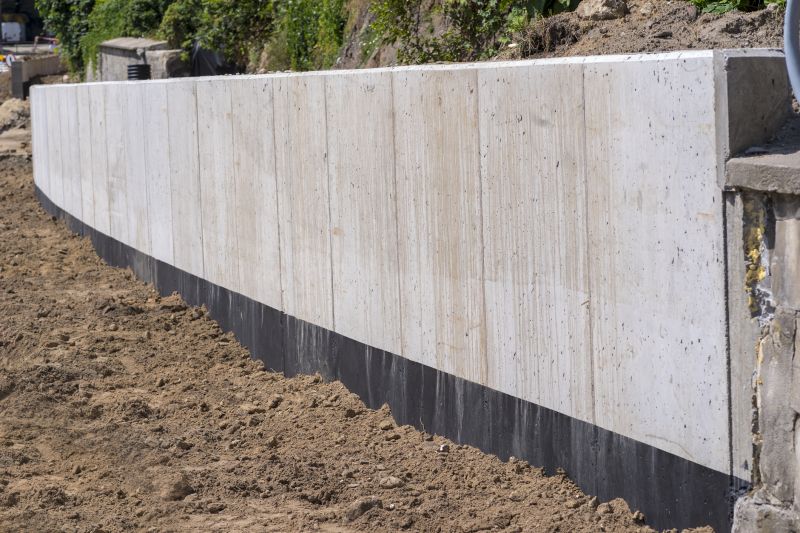
A 60-second routine that keeps Retaining Wall Repairs looking new.
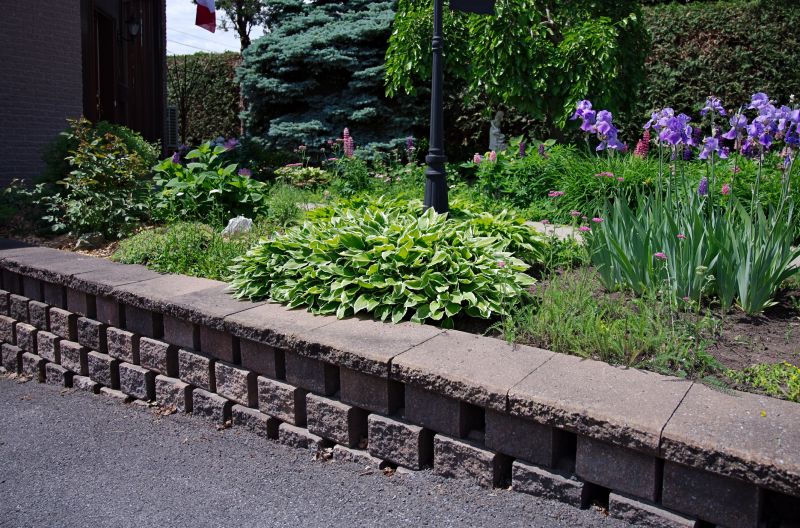
A frequent mistake in Retaining Wall Repairs and how to dodge it.
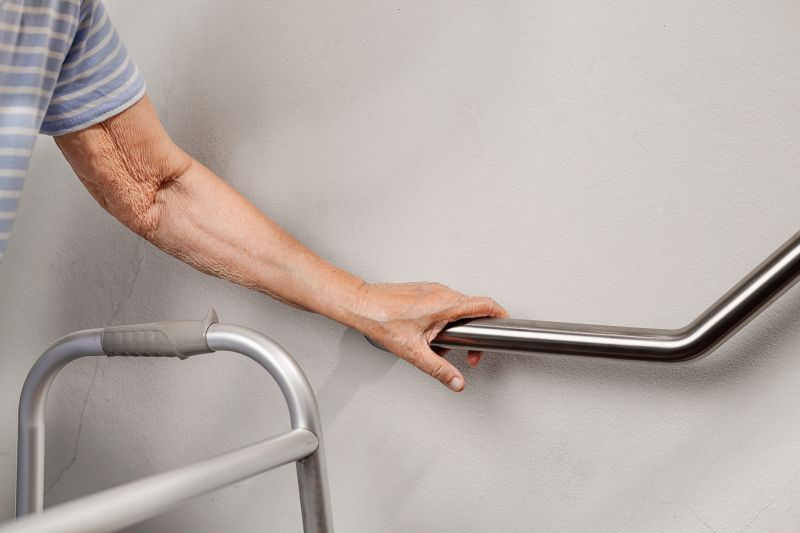
Small tweaks to make Retaining Wall Repairs safer and easier to use.
| Season | Best Repair Conditions |
|---|---|
| Spring | Moderate temperatures, dry weather, ideal for repairs. |
| Summer | Dry conditions, avoid extreme heat. |
| Fall | Cooler temperatures, dry weather, good for repairs. |
| Winter | Freezing temperatures and moisture make repairs difficult. |
| Late Spring/Early Fall | Optimal windows for repair work. |
Understanding the seasonal factors affecting retaining wall repairs can help in planning maintenance schedules effectively. Proper timing ensures that repair materials cure correctly, reducing the risk of future damage. Ignoring seasonal considerations may lead to increased repair costs and compromised wall stability.
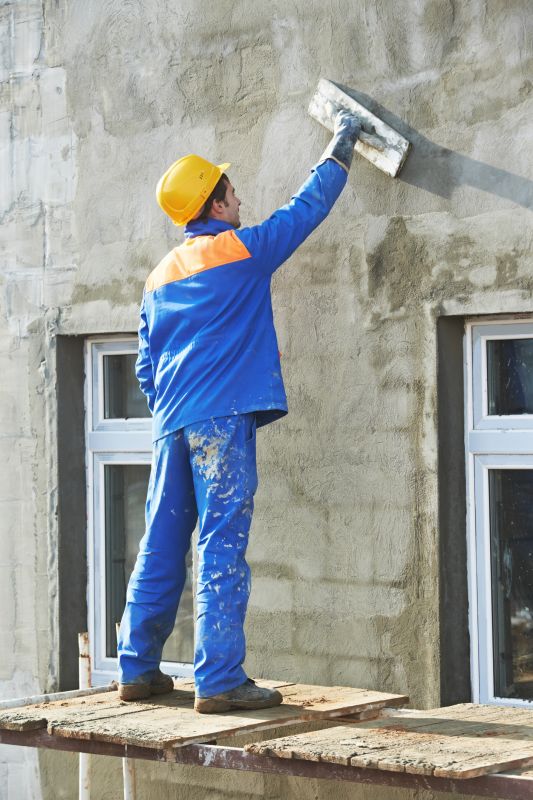
Workers perform repairs during favorable weather conditions.
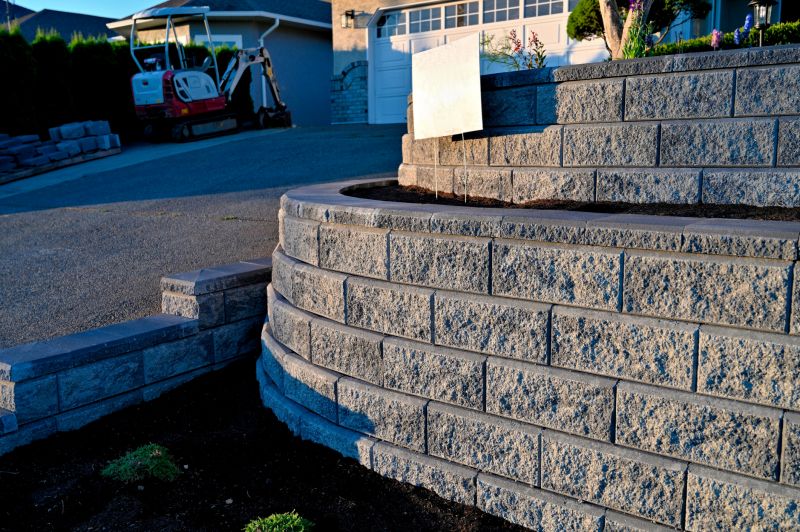
Repair activities are scheduled during dry periods.
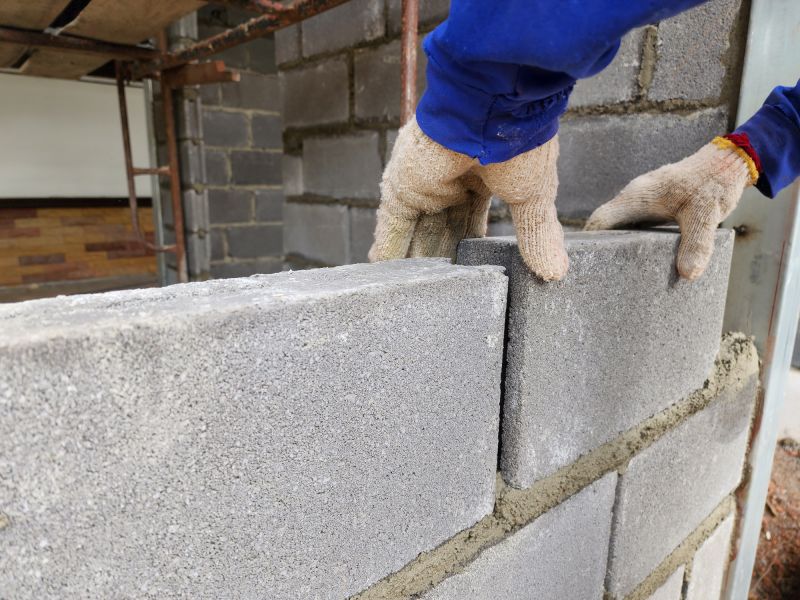
Preparation for winter with timely repairs.
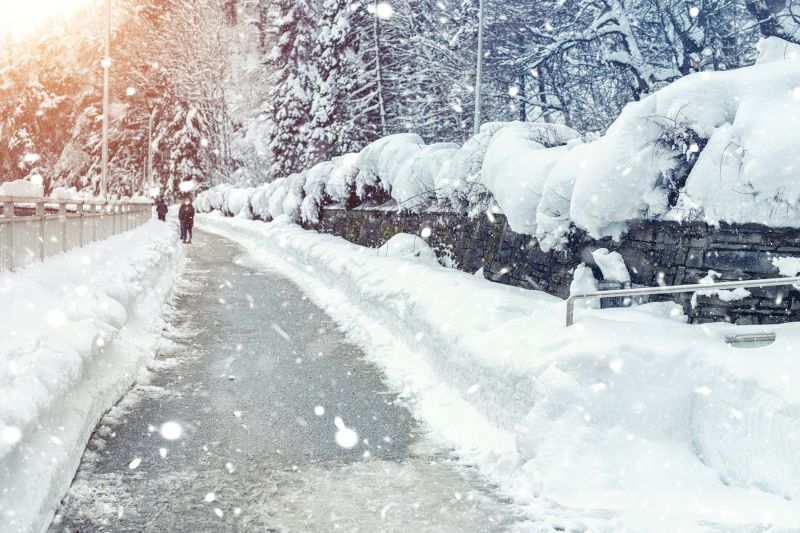
Frozen ground complicates repair efforts.

Lower-waste or water-saving choices for Retaining Wall Repairs.
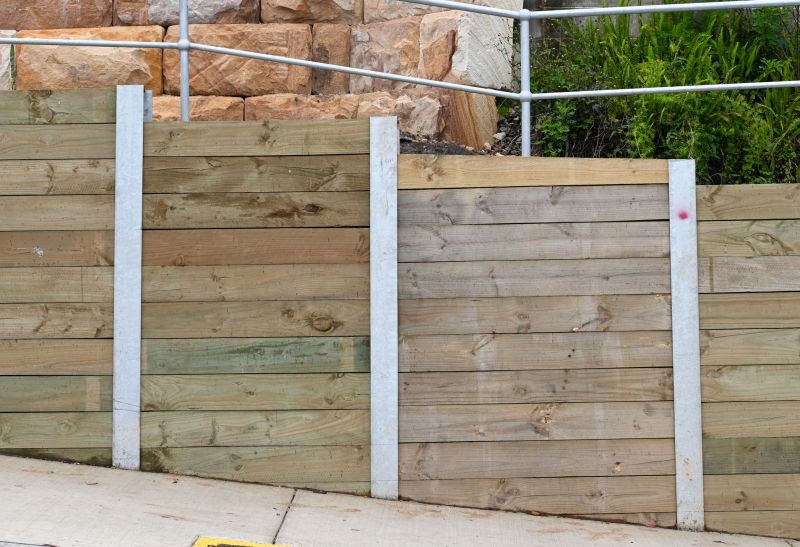
The short, realistic tool list for quality Retaining Wall Repairs.
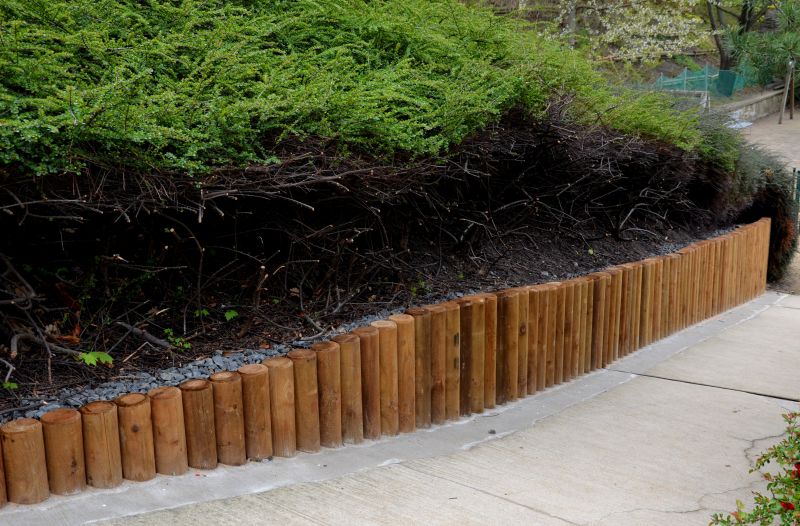
Rough timing from prep to clean-up for Retaining Wall Repairs.

Quick checks and paperwork to keep after Retaining Wall Repairs.
Timely and seasonally appropriate repairs extend the lifespan of retaining walls. Consulting with professionals can help determine the best time for repairs based on local climate conditions and specific wall conditions. Proper planning ensures structural stability and minimizes future repair needs.
Expert advice helps identify the best repair timing for specific conditions.
Ensure proper drainage and soil stability before repairs.
Interested in retaining wall repairs? Fill out the contact form to receive more information and schedule an assessment tailored to your property's needs.