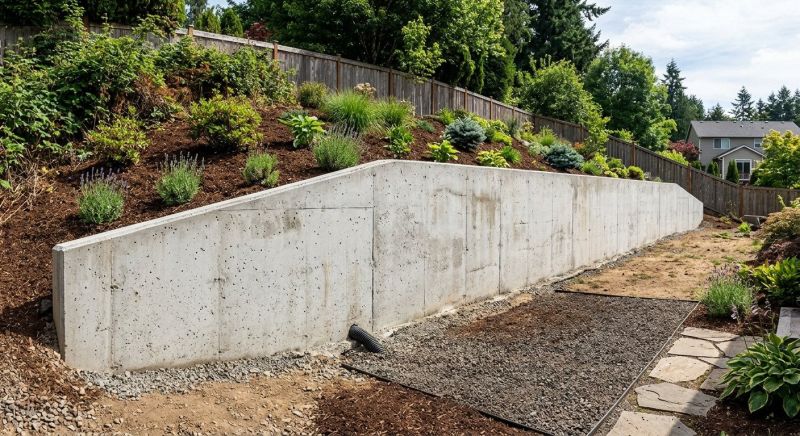
Retention Wall Construction in Lakeland, FL
Retention wall construction involves building structures designed to hold back soil and prevent erosion on sloped or uneven terrain. These walls are commonly used in landscaping projects such as terracing gardens, creating level areas on hilly properties, or improving drainage around foundations. Property owners typically want to understand the types of materials available, the durability of different wall designs, and how the construction process might impact their outdoor space. Properly designed retention walls can enhance the stability and appearance of a property, making them a practical choice for managing challenging terrain.
Before requesting retention wall construction, property owners should consider the specific purpose of the wall, the load it needs to support, and the existing soil conditions. It’s also helpful to understand local building codes or regulations that may apply to retaining structures. Clear communication about the desired aesthetic, as well as any concerns about drainage or future landscaping plans, can ensure the project meets expectations. Consulting with experienced professionals can provide guidance on the most suitable materials and construction methods for each property’s unique needs.
Many property owners in Lakeland, FL look into Retention Wall Construction for repairs, replacements, upgrades, and appearance-related improvements.
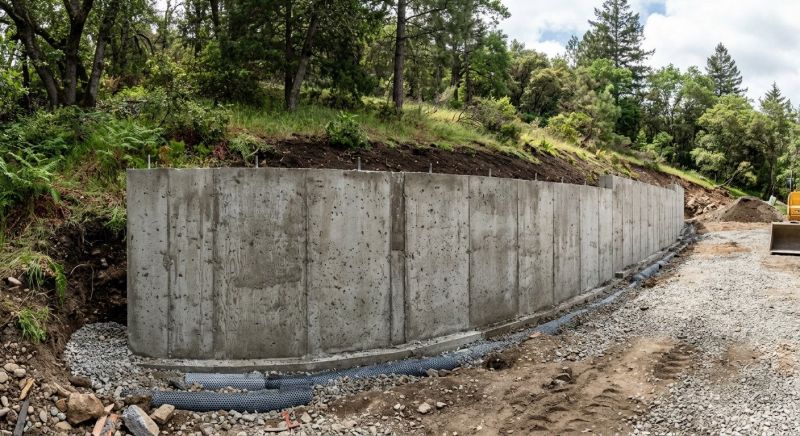
Types Of Retaining Walls
Various materials and designs are available to suit different landscape needs and styles.
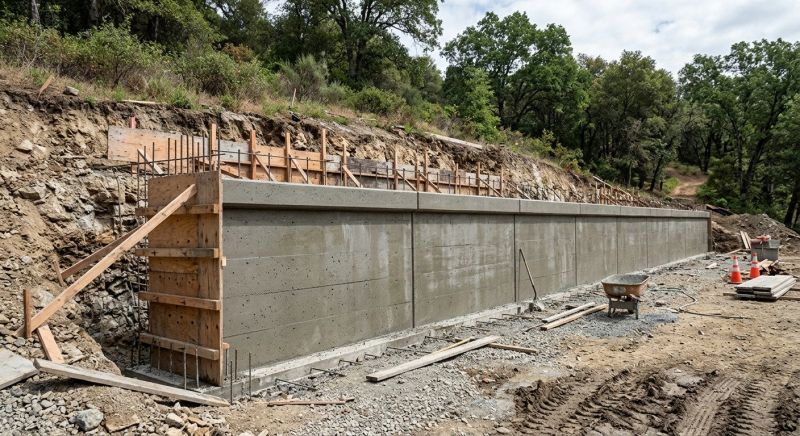
Benefits Of Retention Walls
They help prevent soil erosion, create level areas, and enhance property stability.
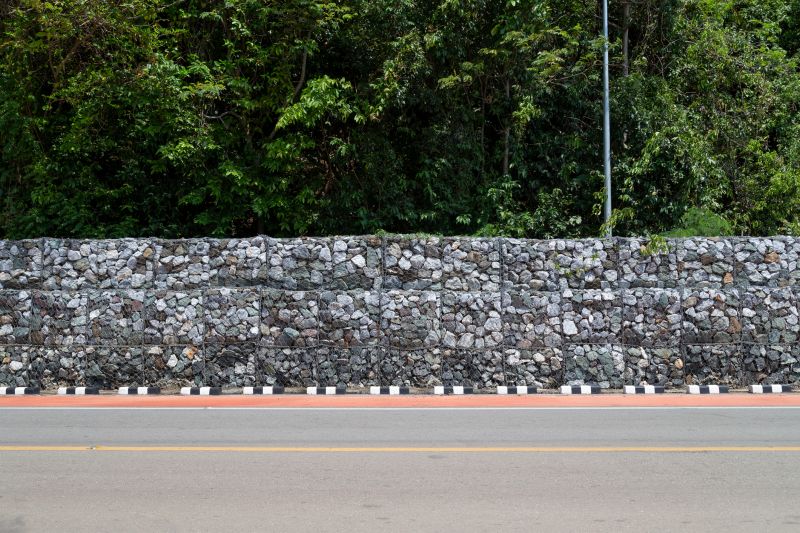
Common Projects In Lakeland
Retaining walls are often used for garden terraces, driveway support, and hillside landscaping.
Retention Wall Construction in Lakeland, FL
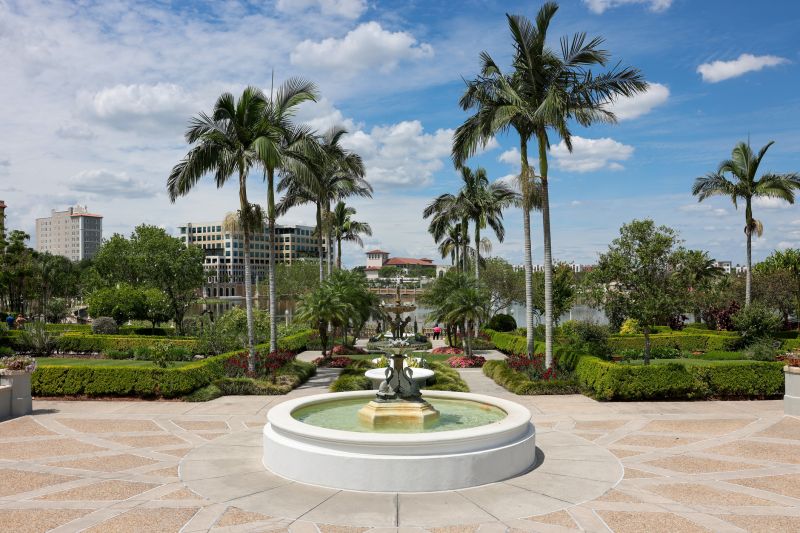
Retention wall construction involves building structures designed to hold back soil and prevent erosion on sloped or uneven terrain. These walls are commonly used in landscaping projects such as terracing gardens, creating level areas on hilly properties, or improving drainage around foundations. Property owners typically want to understand the types of materials available, the durability of different wall designs, and how the construction process might impact their outdoor space. Properly designed retention walls can enhance the stability and appearance of a property, making them a practical choice for managing challenging terrain.
Before requesting retention wall construction, property owners should consider the specific purpose of the wall, the load it needs to support, and the existing soil conditions. It’s also helpful to understand local building codes or regulations that may apply to retaining structures. Clear communication about the desired aesthetic, as well as any concerns about drainage or future landscaping plans, can ensure the project meets expectations. Consulting with experienced professionals can provide guidance on the most suitable materials and construction methods for each property’s unique needs.
Many property owners in Lakeland, FL look into Retention Wall Construction for repairs, replacements, upgrades, and appearance-related improvements.
Common Retention Wall Construction Jobs
Retaining Wall Construction - creates stable barriers to hold back soil and prevent erosion.
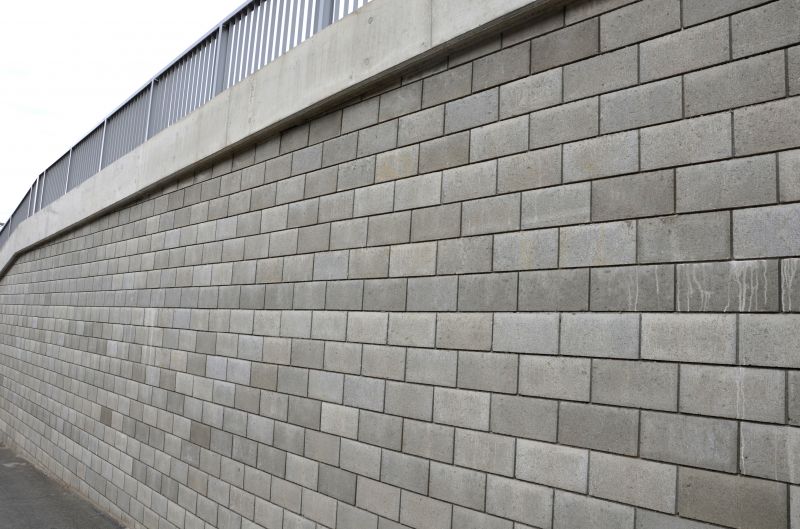
Concrete Retaining Walls - provides durable and long-lasting support for landscaping and property boundaries.
Stone Retaining Walls - enhances aesthetic appeal while offering natural strength for hillside properties.
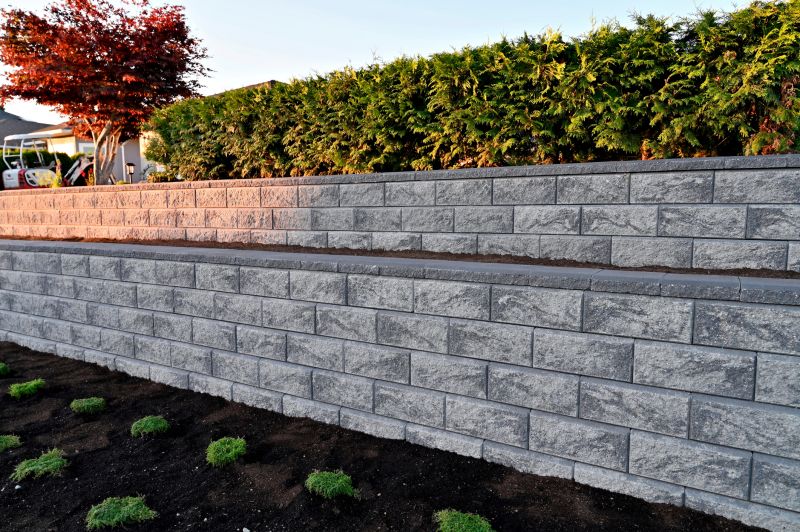
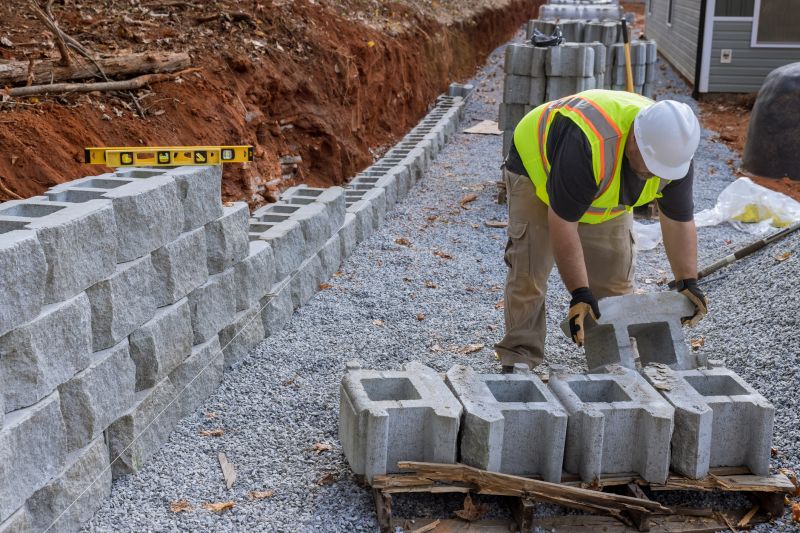
Segmental Block Walls - offers flexible design options for customized landscape solutions.
Drainage Solutions - integrated systems prevent water buildup and protect the integrity of the wall.
Retaining Wall Repairs - restores stability and appearance of existing walls affected by shifting or damage.
Retention Wall Construction Questions
What is a retaining wall used for? Retaining walls help hold back soil, prevent erosion, and create level areas on sloped properties in Lakeland, FL.
What materials are common for retaining walls? Common materials include concrete, stone, brick, and timber, each suited for different aesthetic and functional needs.
How deep should a retaining wall be anchored? The depth depends on the height and type of wall, but generally, footings should extend below the frost line and be properly reinforced.
Are retaining walls suitable for drainage control? Yes, they can be designed with drainage features to reduce water pressure and prevent damage over time.
Request Retention Wall Construction in Lakeland, FL
Use the quote form on this page to share the basics of your project and request more information for the type of work you need.